


When Do Grubs Start Becoming a Problem in Pennsylvania?
For many Pennsylvania homeowners, grub damage seems to appear suddenly. One week, the lawn looks mostly healthy, and the next, brown patches start showing up, or sections of turf feel loose underfoot. In reality, the problem usually starts earlier than the visible damage.
Grubs are a timing issue as much as they are a lawn health issue. Understanding when they become active, when they begin feeding, and when prevention treatments are most effective can help homeowners in Western Pennsylvania protect their lawns before damage becomes more noticeable.
What Are Grubs?
Grubs are the larvae of beetles. In Western Pennsylvania lawns, they may come from beetles such as Japanese beetles, masked chafers, oriental beetles, and May or June beetles. These larvae live underground and feed on turfgrass roots, weakening the lawn from below the surface.
They are often described as small, creamy white insects with brown heads. When found in soil, they are usually curled into a C shape. Because they live underground, homeowners may not notice them right away. By the time the lawn’s surface begins to look stressed, the root system may already be damaged.
That is what makes grubs frustrating. They are not always easy to spot early, and their damage can look similar to other common lawn problems, including drought stress, disease, or general thinning.
When They Become Active in Western PA
In Western Pennsylvania, grub activity is closely tied to the beetle life cycle and seasonal soil conditions. Adult beetles are active during the warmer months. These beetles lay eggs in the soil, and those eggs hatch into larvae that begin feeding on grass roots.
Superior Lawn Care’s current grub page notes that white grubs infest turfgrass from early to late summer, with beetle eggs hatching between mid-August and October. It also recommends preventative grub control between mid-June and early August, before grubs hatch and begin causing more significant root damage.
For homeowners, this means the grub problem does not begin when brown spots appear. The process begins earlier, as beetles lay eggs and larvae develop beneath the lawn. In many cases, the most important window for prevention happens before the average homeowner notices anything wrong.
Western PA weather can also influence how noticeable grub issues become. During dry or hot stretches, lawns with damaged roots may struggle more because they cannot take up water as effectively. A lawn may look like it is simply suffering from summer stress, when grubs are contributing to the decline below the surface.
Why Damage Shows Up Later Than the Problem Starts
Grub damage often appears later because the feeding happens underground first. Grubs eat turfgrass roots, and the grass may continue to look normal for a while. Once enough root damage occurs, the lawn can no longer absorb the water and nutrients it needs.
That is when symptoms become easier to see.
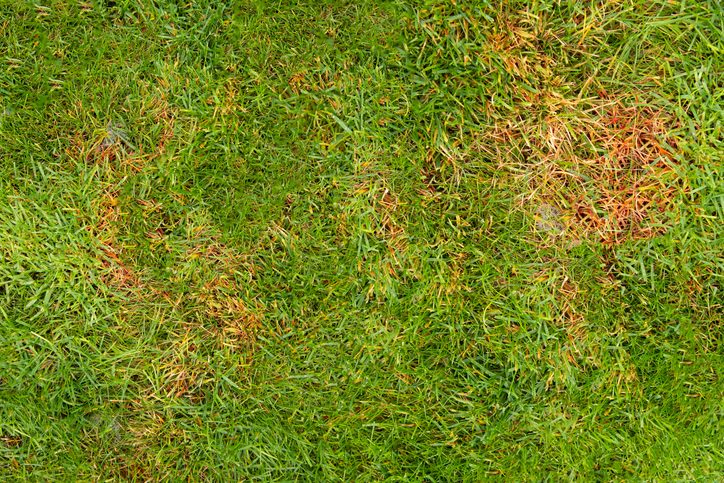
Patches of grass may start to wilt, thin, or turn brown. The lawn may feel soft or spongy in certain areas. In more severe cases, the turf may lift easily because the roots holding it in place have been eaten away.
This delayed damage is one reason homeowners sometimes mistake grubs for drought. A brown patch in July or August may look like it needs more water, but if the roots are damaged, watering alone will not fix the underlying issue.
Animal activity can also be a clue. Birds, raccoons, and skunks may dig in the lawn while searching for grubs. Superior Lawn Care’s reference page lists increased bird, raccoon, or skunk activity as a common sign of a grub infestation.
By the time animals are digging or turf is lifting, the lawn may already be under stress. That is why prevention matters. Treating grubs before they cause visible damage is usually more effective than waiting until the lawn shows signs of decline.
When Prevention Treatments Should Happen
For Pennsylvania lawns, grub prevention is most important in the early to mid-summer window. Superior Lawn Care recommends applying preventative grub control between mid-June and early August, before the grubs hatch.
This timing matters because preventive treatments are designed to target grubs when they are young, before they have done significant damage to the root system. Once larger grubs are actively feeding and damage is already visible, the situation can be more difficult to manage.
Homeowners sometimes wait until they see brown patches before thinking about grub control. Unfortunately, that can mean the best prevention window has already passed. A timing-focused approach helps protect the lawn before the issue becomes obvious.
Preventative grub control is especially worth considering for lawns with a history of grub problems, properties that have had beetle activity in previous seasons, or lawns that already struggle during summer heat. Healthy turf can tolerate stress better, but even a well-maintained lawn can be affected if grub populations reach a high enough level.
Signs to Watch for Heading Into Summer
As summer approaches, homeowners in Western Pennsylvania should watch for signs of grub activity or early lawn stress.
One sign is irregular brown or wilting patches that do not improve with normal watering. These patches may appear in areas where the grass roots have been damaged. Another sign is turf that feels soft, spongy, or loose when walked on. If a section of grass lifts easily, it may indicate that the root system has been weakened.
Increased animal activity can also be a warning sign. Birds pecking at the lawn or raccoons and skunks digging in the turf may be searching for grubs beneath the surface.
Homeowners can also check suspicious areas by gently pulling back a small section of turf. If white, C-shaped larvae are visible in the soil, grubs may be present.
It is also important to pay attention to timing. If the lawn has had grub issues before, waiting until damage appears may not be the best approach. Prevention is most effective when it happens before grub feeding causes a noticeable decline.
Protecting Your Lawn Before Grub Damage Appears
Grubs become a problem in Pennsylvania before most homeowners see the damage. They start beneath the soil, feeding on roots and weakening the lawn from below. By the time brown spots, loose turf, or animal digging appear, the issue may already be underway.
For Western PA lawns, timing is key. Preventative grub control between mid-June and early August can help protect the lawn before newly hatched grubs begin causing damage. If your lawn has dealt with grubs in the past, or if you want to avoid summer root damage before it starts, planning can make a meaningful difference.

- Top 10 Weeds in Pittsburgh Lawns: A Local Identification Guide - June 20, 2026
- Is It Safe to Treat Weeds as Temperatures Start Rising? - June 15, 2026
- How Mowing Height in Late Spring Affects Your Lawn All Summer - June 3, 2026