


Superior Lawn Care Advises Western Pennsylvania Homeowners to Diagnose Brown Grass Before Planning Fall Lawn Repairs
Late-summer heat, drought stress, lawn disease, grubs, and compacted soil can cause similar symptoms, so diagnosing the issue is an important first step before aeration, overseeding, or other fall lawn care.
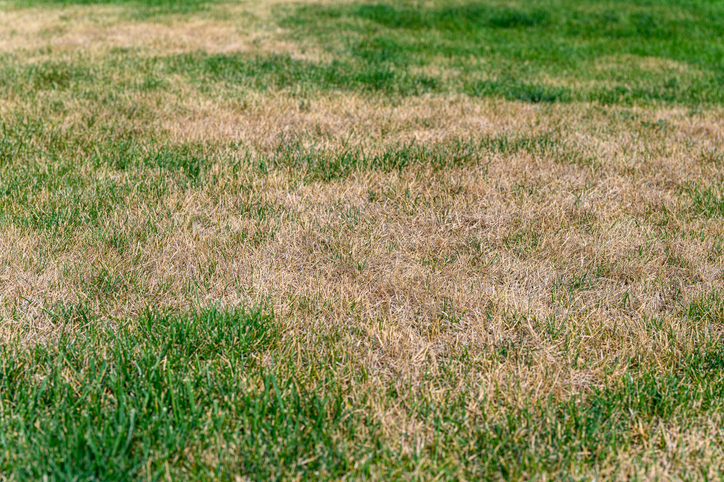
PITTSBURGH, Sept. XX, 2026 — Brown or thinning grass in late summer does not always mean a lawn needs more water or new seed. Across Western Pennsylvania, heat and limited moisture, lawn disease, insects and grubs, compacted soil, and other turf stresses can produce similar visible symptoms.
Superior Lawn Care advises homeowners to identify the likely cause of brown, thin, or patchy grass before deciding how to repair the lawn this fall.
That distinction matters because different problems can require different responses. Some discolored turf may still be alive and can recover as growing conditions improve. Other areas may have root damage, disease, compacted soil, or more significant turf loss that requires additional attention.
“By late summer, homeowners may see brown or thinning areas and assume the lawn simply needs more water or new seed,” said Rich Paiter, General Manager at Superior Lawn Care. “But color alone does not tell you what is happening. Looking at the pattern of damage, the grass blades, the roots, and the soil can provide much better clues about what the lawn may actually need.”
What Causes Brown Grass in Western Pennsylvania in Late Summer?
Heat and drought stress are common reasons grass loses color in summer, especially after extended periods of high temperatures or limited rainfall. But drought is only one possibility.
Humidity and prolonged moisture can contribute to fungal lawn diseases. Insects and grubs can weaken turf above ground by damaging roots below the soil surface. Compacted soil can add another source of stress by limiting the conditions grass roots need to remain healthy.
More than one factor may also be involved. A lawn already weakened by summer heat, for example, may be less able to tolerate other stresses.
That is why Superior Lawn Care recommends diagnosing brown grass based on more than color alone.
Start With the Pattern, Grass Blades, Roots and Soil
Before deciding that a brown lawn needs to be watered, seeded, or otherwise repaired, homeowners can look for several clues:
- Pattern and location: Are there scattered spots, broad dry-looking areas, generally thin turf, or completely bare sections?
- Grass blades: Are the blades simply dry and discolored, or are there unusual spots, lesions, reddish coloring, or other visible symptoms?
- Roots and turf attachment: Does the grass remain firmly rooted, or does it pull up unusually easily?
- Soil conditions: Does the soil appear hard or compacted, excessively wet, unusually dry, or otherwise different in the affected area?
No single clue necessarily provides a complete diagnosis. Looking at them together can make it easier to distinguish temporary summer stress from a problem that may require a different response.
Could It Be Lawn Disease?
Seasonal weather conditions in Western Pennsylvania can create favorable conditions for fungal lawn diseases. Rainy periods, humidity, heavy dew, and prolonged moisture on grass blades can all contribute to disease activity.
Common regional concerns include red thread and dollar spot.
Red thread may produce reddish, pink, tan, or bleached-looking areas. Dollar spot may appear as small tan or light-brown spots that can eventually merge into larger areas of damaged turf.
From a distance, either problem can resemble other forms of lawn stress. Looking closely at individual grass blades, the shape and distribution of affected areas, and recent weather conditions can provide additional clues.
Homeowners who want to compare common symptoms can also review Superior Lawn Care’s guide to red thread, dollar spot, and other lawn diseases in Pittsburgh.
Could Insects or Grubs Be Responsible?
A lawn problem that appears above ground can begin below the surface.
Grubs feed on turf roots. When root systems become damaged, sections of grass can weaken, turn brown, or become easier to pull up. To a homeowner looking across the yard, the resulting discoloration may resemble drought stress or another summer lawn problem.
That makes root condition an important part of the diagnostic process. Brown grass that remains firmly rooted may point homeowners in one direction, while turf that loosens or pulls up easily may suggest that the problem is occurring beneath the soil surface.
Superior Lawn Care offers grub control as an optional lawn service.
How Compacted Soil Contributes to Lawn Stress
Soil conditions are another part of the picture.
Compacted soil can contribute to turf stress and make it harder for grass roots to receive the air, water, and nutrients they need. A lawn problem that looks entirely above ground may therefore also involve what is happening beneath the surface.
Superior Lawn Care offers fall core aeration, a process designed to relieve soil compaction by removing small plugs of soil. The company also offers fall overseeding to introduce new grass into thin areas.
Neither service changes the importance of diagnosis. Instead, evaluating soil conditions and the extent of turf loss helps determine whether aeration, overseeding, or another approach makes sense for a particular lawn.
Why Thin Turf Creates Opportunities for Weeds
Brown grass is not always the only late-summer symptom homeowners notice.
When healthy turf becomes thin, more soil and growing space can become available for weeds. The weeds visible near the end of summer may therefore be part of a broader turf-health problem rather than an isolated issue.
Addressing weeds without considering why the lawn became thin can leave the underlying problem unresolved.
For that reason, Superior Lawn Care recommends looking at turf density, weeds, and the original cause of thinning together when planning fall lawn care.
Match Fall Lawn Repair to the Cause
Not every brown area requires the same fall treatment.
Grass that is temporarily stressed but still alive may recover as temperatures moderate and growing conditions improve. Thin or bare areas may be candidates for overseeding once you’ve considered the cause of turf loss. Compacted soil may make core aeration appropriate. Suspected disease, insect activity, or root damage may require a different response before homeowners focus on cosmetic repair.
The goal is to avoid treating every brown patch as the same problem.
“Late summer gives us a chance to see how the lawn responded to the most stressful part of the growing season,” said Paiter. “We want to look at several clues together rather than make a recommendation based on one brown patch. Once we understand what caused the decline, we can make a better decision about what the lawn needs going into fall.”
Why a Professional Lawn Evaluation Looks at More Than One Symptom
For homeowners wondering why their lawn is brown or thinning in late summer, the answer may require looking beyond the most obvious symptom.
A professional lawn evaluation can consider the pattern of brown or discolored areas, turf density, bare spots, weed pressure, possible disease symptoms, insect or grub activity, root condition, and soil conditions together.
That broader diagnostic approach is especially useful during the transition from summer to fall, when homeowners decide whether damaged turf may recover naturally or whether aeration, overseeding, pest management, or another lawn-care strategy is needed.
Superior Lawn Care has served Western Pennsylvania neighborhoods since 1981 and provides lawn treatment programs and related services throughout the Pittsburgh region and surrounding communities.
Western Pennsylvania homeowners concerned about brown, thin, or patchy grass can visit Superior Lawn Care online or call 800-953-7100 to learn more or request a free estimate.
