


Blog
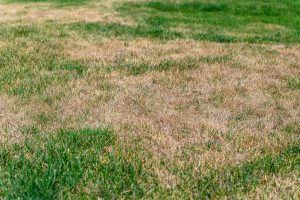
Superior Lawn Care Advises Western Pennsylvania Homeowners to Diagnose Brown Grass Before Planning Fall Lawn Repairs
Late-summer heat, drought stress, lawn disease, grubs, and compacted soil can cause similar symptoms, so diagnosing the issue is an important first step before aeration, overseeding, or other fall lawn care. PITTSBURGH, Sept. XX, 2026 — Brown or thinning grass in late summer does not always mean a lawn needs more water or new seed. […]
read more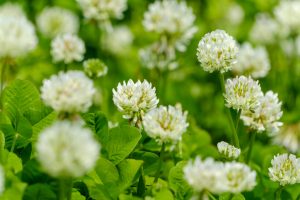
Top 10 Weeds in Pittsburgh Lawns: A Local Identification Guide
Pittsburgh lawns face a mix of weeds throughout the growing season. Some appear in early spring, while others become more noticeable during hot, dry summer weather. Knowing what is growing in your yard is the first step toward choosing the right control method. Here are 10 common weeds found in Pittsburgh lawns, along with simple […]
read more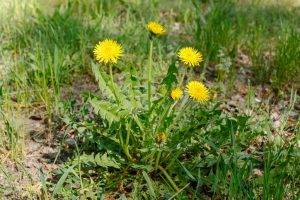
Is It Safe to Treat Weeds as Temperatures Start Rising?
As late spring turns into summer, weeds appear almost overnight. Broadleaf weeds, grassy weeds, and unwanted growth in landscape beds often become more noticeable as temperatures begin to climb. For many homeowners, the first instinct is to spray weeds as soon as they see them. While weed control can still be effective in late spring […]
read more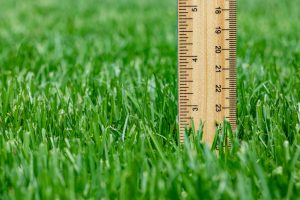
How Mowing Height in Late Spring Affects Your Lawn All Summer
As temperatures rise and summer is just around the bend, many homeowners focus on watering schedules, fertilizer applications, and weed control. One simple lawn care practice often gets overlooked: mowing height. The height at which you mow your grass in late spring can influence how well your lawn handles heat, drought, and everyday stress throughout […]
read more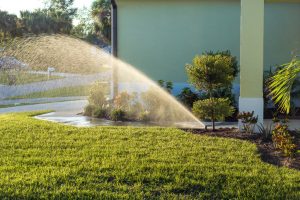
Identifying & Treating Red Thread, Dollar Spot & Other Lawn Diseases in Pittsburgh
A healthy Pittsburgh lawn can change quickly when the weather is wet, humid, or cooler than expected. One week, the grass may look full and green. Next, you may notice pinkish patches, small tan spots, thinning areas, or brown sections that seem to spread after rain or heavy morning dew. For many homeowners in Western […]
read more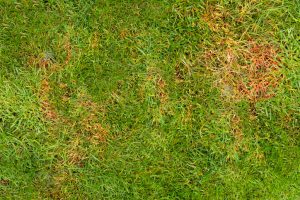
When Do Grubs Start Becoming a Problem in Pennsylvania?
For many Pennsylvania homeowners, grub damage seems to appear suddenly. One week, the lawn looks mostly healthy, and the next, brown patches start showing up, or sections of turf feel loose underfoot. In reality, the problem usually starts earlier than the visible damage. Grubs are a timing issue as much as they are a lawn […]
read more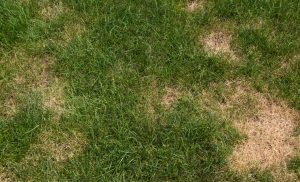
Early Signs of Lawn Disease to Watch for in Late Spring
Late spring is when many Western Pennsylvania lawns start to look full, green, and healthy again. Grass is growing quickly, rain is common, and homeowners are getting back into regular mowing and yard care routines. However, this is also the time of year when early lawn disease symptoms can begin to appear. Lawn disease does […]
read more
DIY Lawn Care Mistakes Local Homeowners Make
As the weather starts to warm up in the Pittsburgh area, many homeowners are ready to get outside and focus on their lawns again. Early spring is when people start mowing more regularly, thinking about weed control, and trying to get ahead of any damage left behind by winter. It is also when many common […]
read more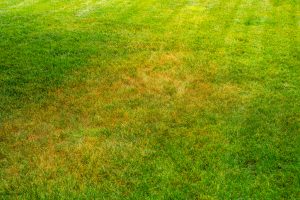
A Local’s Guide to Pest, Weed & Disease Control for Western PA Lawns
Western Pennsylvania lawns deal with a mix of moisture, seasonal temperature swings, clay-heavy soils, and dense turf areas that can make pests, weeds, and diseases difficult to manage. For homeowners in the Pittsburgh region, lawn problems often show up gradually: a few discolored patches, thinning areas, odd growths, or weeds that seem to return every […]
read more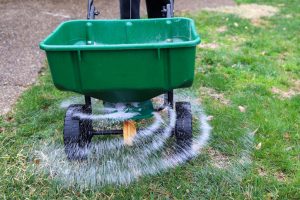
Why Lawns Start Struggling in Early Summer (And How to Get Ahead of It)
A lawn can look strong in late spring and start showing stress only a few weeks later. In Western PA, this is common. Early summer brings warmer temperatures, less predictable rainfall, higher humidity, and more activity on the lawn. All of those changes can affect how well grass holds color, density, and overall health. The […]
read more