


How Mowing Height in Late Spring Affects Your Lawn All Summer
As temperatures rise and summer is just around the bend, many homeowners focus on watering schedules, fertilizer applications, and weed control. One simple lawn care practice often gets overlooked: mowing height. The height at which you mow your grass in late spring can influence how well your lawn handles heat, drought, and everyday stress throughout the summer months.
While mowing may seem like a routine task, making small adjustments before summer arrives can help support healthier turf and reduce lawn problems later in the season.
Why Mowing Height Matters More Than People Think
Grass does much more than create a green appearance around your home. Each blade plays a role in photosynthesis, root development, moisture retention, and overall plant health.
When grass is maintained at an appropriate height, it can produce more energy through photosynthesis. That energy supports stronger root systems, which help the lawn access water and nutrients during periods of heat and limited rainfall.
Mowing height also affects how much sunlight reaches the soil surface. Taller grass blades provide shade that helps moderate soil temperatures and slows moisture evaporation.
Because mowing is one of the most frequent lawn maintenance activities, the height setting on your mower can have a significant impact throughout an entire growing season.
What Happens When You Cut Too Short
Many homeowners may be tempted to mow their lawn shorter in late spring because they believe it will reduce how often they need to mow. Unfortunately, cutting grass too short can create several problems as summer temperatures increase.
Scalping or excessively short mowing removes a large portion of the grass blade, reducing the plant’s ability to produce energy. The grass must then devote resources to replacing lost leaf tissue rather than strengthening roots.
Short grass can also expose the soil to direct sunlight, causing it to heat up more quickly and lose moisture more quickly. During hot weather, this additional stress may contribute to:
- Increased drought stress
- Shallow root development
- Thinning turf
- Greater weed pressure
- Increased risk of disease in stressed grass
A lawn that enters summer already stressed from improper mowing may struggle to recover during periods of high temperatures and limited rainfall.
Ideal Mowing Height Heading Into Summer
The correct mowing height depends on the type of grass growing in your lawn. In Western Pennsylvania, many residential lawns are planted with cool-season grasses like Kentucky bluegrass, perennial ryegrass, and tall fescue.
As late spring transitions into summer, these grasses generally perform best when maintained on the taller end of their recommended mowing range.
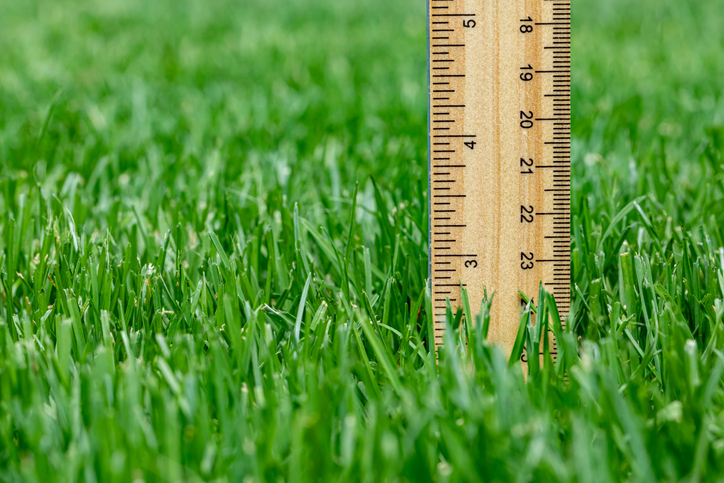
For many cool-season lawns, a mowing height between 3 and 4 inches helps support healthy growth during warmer weather.
Homeowners should also follow the one-third rule whenever possible. It is recommended to remove no more than one-third of the grass blade while mowing. Cutting too much at once can place unnecessary stress on the turf.
If your lawn has become overgrown, it is usually better to gradually lower it over multiple mowings rather than removing excessive growth in one session.
How Taller Grass Helps Retain Moisture
One of the biggest challenges for lawns during summer is maintaining adequate moisture. Taller grass naturally helps address this issue in several ways.
First, longer blades create shade across the soil surface. This shade reduces evaporation and helps the ground retain moisture for longer periods after rainfall or irrigation.
Second, taller grass typically develops deeper root systems. Deeper roots allow the lawn to access water stored farther below the surface, improving drought tolerance during dry conditions.
Taller turf can also help reduce weed competition. Dense grass creates a thicker canopy that limits the amount of sunlight reaching weed seeds, making it harder for many weeds to establish and spread.
While mowing height alone cannot eliminate drought stress or prevent every lawn problem, maintaining slightly taller grass heading into summer can support healthier growing conditions.
Simple Mowing Tips Homeowners Can Follow
A few basic mowing practices can help homeowners get better results throughout the growing season:
Keep Mower Blades Sharp
Dull blades will tear grass rather than cutting it cleanly. Torn grass blades lose moisture more quickly and may become more susceptible to stress and disease.
Avoid Mowing Wet Grass
Mowing when the lawn is wet can create uneven cuts, clumping, and unnecessary stress on the turf.
Adjust Mowing Height Seasonally
Grass often benefits from a slightly higher mowing height during late spring and summer than during cooler parts of the growing season.
Leave Grass Clippings When Possible
Grass clippings break down quickly and can return nutrients to the soil. As long as clippings are not excessive, they generally do not contribute to thatch buildup.
Mow Consistently
Regular mowing helps prevent excessive growth and reduces the need to remove large portions of the grass blade at one time.
Give Your Lawn a Strong Start Before Summer
The way you mow your lawn in late spring can influence its performance throughout the summer. Maintaining an appropriate mowing height helps support deeper roots, better moisture retention, and healthier turf during periods of heat and stress.
If you’re unsure whether your lawn is receiving the care it needs, the team at Superior Lawn Care can help. Our lawn care professionals provide customized services designed to keep Western Pennsylvania lawns healthy and looking their best throughout the growing season.

- Top 10 Weeds in Pittsburgh Lawns: A Local Identification Guide - June 20, 2026
- Is It Safe to Treat Weeds as Temperatures Start Rising? - June 15, 2026
- How Mowing Height in Late Spring Affects Your Lawn All Summer - June 3, 2026