


A Local’s Guide to Pest, Weed & Disease Control for Western PA Lawns
Western Pennsylvania lawns deal with a mix of moisture, seasonal temperature swings, clay-heavy soils, and dense turf areas that can make pests, weeds, and diseases difficult to manage. For homeowners in the Pittsburgh region, lawn problems often show up gradually: a few discolored patches, thinning areas, odd growths, or weeds that seem to return every season.
The good news is that many common turf issues can be identified early. Once you understand what to look for, you can take practical steps to improve lawn health and know when to bring in professional support.
Why Lawn Pests and Diseases Are a Western PA Problem
Western PA’s weather creates the perfect environment for many turf issues. Rainy springs, humid summers, and fluctuating temperatures can stress grass while encouraging fungal growth. When moisture remains on grass blades for long periods, diseases such as red thread, dollar spot, and brown patch are more likely to appear.
The types of grass most often used in this region can also increase the risk of lawn diseases. Cool-season grasses, including Kentucky bluegrass, perennial ryegrass, and fescues, are common in Pennsylvania lawns. These grasses can perform well in the region, but they still need proper mowing, fertilization, watering, and soil support to stay healthy.
When grass becomes stressed by compacted soil, drought, poor drainage, low nutrients, or mowing too short, it becomes easier for weeds, insects, and diseases to take hold.
How to Identify Common Lawn Diseases in Pittsburgh
Lawn diseases can look similar at first, so it helps to pay attention to color, pattern, timing, and weather conditions.
Red Thread
Red thread often appears as pink or reddish patches in the lawn. On close inspection, you may notice thin, thread-like growths on the tips of grass blades. It is commonly associated with cool, wet weather and lawns that may need a more balanced nutrient supply.
Red thread typically affects the blades of grass rather than the roots. This often means the grass can recover with the proper care. Fertilization, improved air movement, and balanced soil health can help reduce future outbreaks.
Dollar Spot
Dollar spot typically appears as small, straw-colored patches. These spots may be only a few inches wide at first, but they can spread and merge if conditions remain favorable. This issue often develops during warm days, cool nights, and periods of high humidity.
Low nitrogen levels, drought stress, and excess thatch can increase the likelihood of dollar spot. Proper fertilization and watering practices are important parts of prevention.
Slime Mold
It often appears during warm, humid weather, especially after rainy periods. In many cases, it can be brushed, mowed, or rinsed off.
Brown Patch
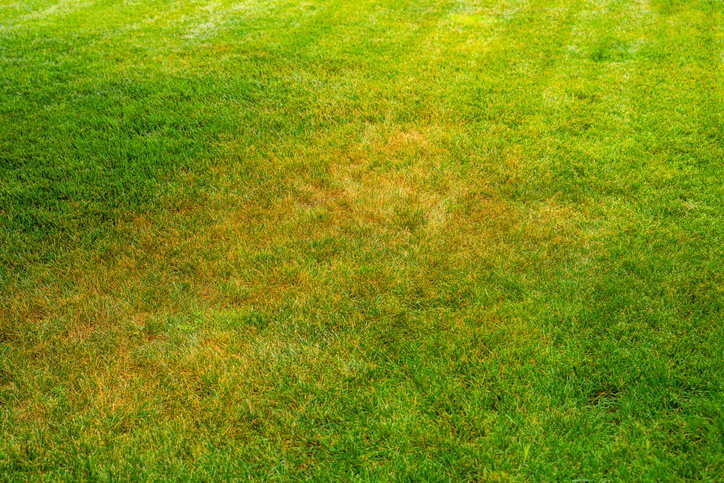
Brown patch typically shows up as circular or irregular brown areas in the lawn. It is more common during hot, humid weather, especially when nighttime temperatures stay warm.
Overwatering, watering late in the day, excessive nitrogen during summer, and poor air circulation can all contribute to brown patch. Managing moisture is one of the most important steps in reducing risk.
Weeds That Thrive Here
Weeds often move into lawns when turf is thin, stressed, or poorly rooted. In Western PA, several broadleaf and grassy weeds are especially common.
Dandelions
Dandelions are one of the most common lawn weeds. Their deep taproots make them challenging to remove by hand unless the full root is pulled. They often appear in spring, but they can continue growing throughout the season.
A thick, healthy lawn is one of the best long-term defenses because it leaves less open soil for dandelion seeds to establish.
Ground Ivy
Ground ivy, also called creeping Charlie, spreads low across the lawn and can be difficult to control once established. It often thrives in shady, moist areas where grass is already struggling.
Improving sunlight, drainage, and turf density can help reduce the conditions that allow ground ivy to spread.
Barnyardgrass
Barnyardgrass is a warm-season grassy weed that can appear in thin or disturbed areas. It grows quickly in summer and may stand out because of its coarse texture.
Pre-emergent weed control and healthy turf coverage can help prevent grassy weeds from gaining a foothold.
Nimblewill
Nimblewill is a fine-textured perennial grassy weed that often forms patchy, mat-like areas. It may turn brown earlier than desirable turf in cooler weather, which makes it more noticeable.
Because it is a perennial grass, it can be harder to manage than annual weeds. Identification is important before treatment because grassy weeds often require a different strategy than broadleaf weeds.
Lawn Pests to Watch For
Lawn pests can damage grass above or below the soil surface. Sometimes the first sign is thinning turf, brown patches, or animals digging in the yard.
Grubs
Grubs feed on grass roots, which causes the turf to loosen and peel back easily. Damage is often most noticeable in late summer or early fall. Skunks, raccoons, and birds may also dig in the lawn while searching for grubs.
Preventative grub control is often applied before serious feeding damage occurs. Once grub damage is visible, treatment options can be more limited.
Surface Insects
Some insects feed on grass blades or crowns, while others live in thatch or soil. Symptoms can include thinning, yellowing, or irregular brown areas. Since insect damage can resemble drought stress or disease, accurate diagnosis matters.
Invasive Threats
Western PA homeowners should also be aware that invasive pests can affect landscapes beyond their lawn. Monitoring trees, shrubs, and turf areas helps catch problems before they spread across the property.
Treatment Strategies for Western PA Lawns
The best lawn treatment plan starts with correct identification. A disease, weed, pest, or soil issue may create similar symptoms, but each one requires a different approach.
Preventative Controls
- Seasonal fertilization
- Pre-emergent weed control
- Proper mowing height
- Core aeration for compacted soil
- Overseeding thin areas
- Grub prevention
- Soil pH correction when needed
A well-fed lawn is better able to compete with weeds and recover from stress.
Timing and Safety
Timing is one of the most important parts of lawn care. Pre-emergent weed control needs to be applied before weed seeds germinate. Grub prevention is most effective before grubs cause significant root damage. Fungicide treatments, when needed, are most effective when disease pressure is active or predictable.
Safety also matters in lawn care. Children, pets, and outdoor activity should be considered when treatments are applied to your lawn. Professional lawn care providers like Superior Lawn Care will help determine proper application timing, product selection, and re-entry guidance.
When to Call Superior Lawncare
Some lawn issues are easy to spot, but harder to diagnose accurately. Brown patches may be caused by disease, drought, grubs, compaction, dull mower blades, or several factors working together.
Superior Lawncare helps Western PA homeowners manage seasonal lawn concerns with services that support healthier turf, including lawn care programs, crabgrass and grub control, lime applications, aeration, overseeding, flea and tick control, perimeter pest control, and tree and shrub care. The goal is not just to treat visible lawn disease symptoms, but to improve the conditions that help grass grow stronger over time.
If your lawn has recurring weeds, thinning turf, unusual patches, or signs of pest activity, a professional evaluation can help identify the cause and recommend the right next step. Early attention often makes lawn problems easier to manage and helps protect the long-term health of your yard.
