


Top 10 Weeds in Pittsburgh Lawns: A Local Identification Guide
Pittsburgh lawns face a mix of weeds throughout the growing season. Some appear in early spring, while others become more noticeable during hot, dry summer weather. Knowing what is growing in your yard is the first step toward choosing the right control method.
Here are 10 common weeds found in Pittsburgh lawns, along with simple identification tips and practical ways to manage them.
1. Crabgrass
Crabgrass is a summer annual weed that often appears in thin, sunny, or stressed areas of the lawn. It has coarse, light green blades and grows in low, spreading clumps. You may notice it along sidewalks, driveways, and curb edges where soil warms quickly.
The best way to manage crabgrass is with spring pre-emergent weed control before seeds germinate. Once it is established, it becomes harder to control. Keeping the lawn thick through proper mowing, fertilization, and overseeding can help reduce future growth.
2. Dandelion
Dandelions are easy to identify because of their yellow flowers and white seed heads. They form low rosettes and have deeply toothed leaves. Their long taproot allows them to return if the full root is not removed.
Small numbers can be hand-pulled when the soil is moist, but the entire taproot must come out. For larger infestations, broadleaf weed control is often more effective. Regular mowing before seed heads form can also help limit spreading.
3. White Clover
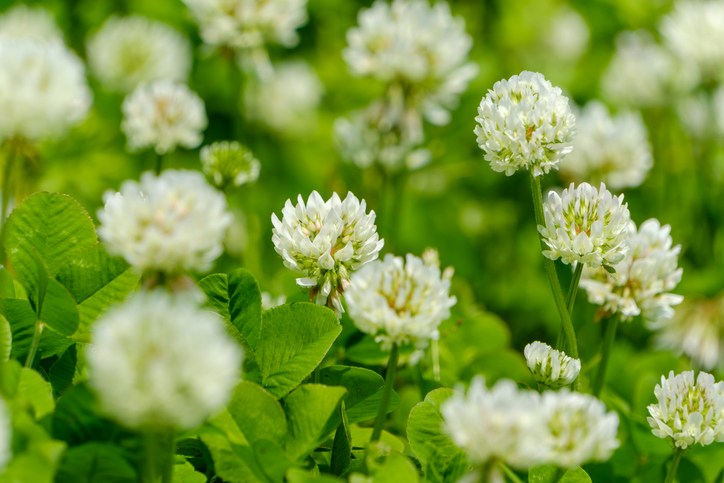
White clover has small leaflets that grow in groups of three. It produces small white or pale pink flowers and spreads by creeping stems that root along the soil surface.
Clover often appears in thin lawns or areas with low soil fertility. It can tolerate close mowing, which allows it to spread when the grass is cut too short. Improving turf density with proper fertilization, mowing, and overseeding can help the lawn compete.
4. Ground Ivy
Ground ivy, also called creeping Charlie, is common in Pennsylvania lawns. It has rounded leaves with scalloped edges, creeping stems, and small purple flowers in spring.
This weed often grows in shaded, moist, or compacted areas. It can spread quickly because its stems root along the ground. Long-term control may require improving drainage, reducing shade where possible, aerating compacted soil, and using selective broadleaf weed control.
5. Broadleaf Plantain
Broadleaf plantain grows in a flat rosette with wide, oval leaves and strong veins running from the base to the tip. It also produces narrow seed stalks during the growing season.
This weed is often a sign of compacted soil. It commonly appears near walkways, driveways, and other high-traffic areas. Aeration can help improve soil conditions, while overseeding can fill thin areas where plantain may take hold.
6. Yellow Nutsedge
Yellow nutsedge looks grass-like, but it is a sedge. It usually grows faster than the surrounding lawn and may stand taller a few days after mowing. It has a bright green color, upright growth, and triangular stems.
This weed often appears in damp or poorly drained areas. Pulling is usually not enough because yellow nutsedge spreads through underground tubers. Improving drainage and using the correct sedge-specific treatment can help manage it.
7. Ground Ivy
Ground ivy spreads using its above-ground runners, also called stolons, that put down roots at each point where the leaf attaches to the stem. They can grow to about 7 feet long and produce purple-flowered leaf clusters in the late spring.
With multiple attachment points, ground ivy is hard to remove because it almost attaches like “plant velcro.” Roots should be pulled by hand, although they can be difficult to remove, and lawns with ground ivy should be mowed to a height of at least 3 inches.
Professional pre-emergent weed control applied twice a year, once in the spring and once in the late fall, also helps to control this type of weed.
8. Yellow Woodsorrel
Yellow woodsorrel, also called summer grass, resembles clover with heart-shaped green leaves. These leaves turn burgundy in the summer and produce yellow flowers. This weed grows well in shade and sun and can quickly take over your lawn.
Mowing, fertilizing, and keeping a dense lawn can help to discourage this weed from growing. You can also hand-dig or pull out the roots and rhizomes before they seed. Pre-emergent and post-emergent weed control can also keep this weed from taking hold. Superior Lawn Care can apply professional weed control to keep your lawn weed-free.
9. Bull Thistle
This prickly weed is a member of the aster family and can grow from 2 to 6 feet tall. In the first year of growth, a rosette forms, and in the next year, the plant produces a spine-covered stem with large reddish-purple flowers.
Bull thistle blooms from June to October and is a useful plant to butterflies and bees, thriving in full sun. You can hand-pull this weed, but keep in mind that the taproot grows deep. Regualr mowing will prevent the plant from flowering, along with pre-emergent weed control.
10. Black Medic
Black medic can look similar to clover because it has small leaflets in groups of three. However, it produces small yellow flowers and dark seed pods as it matures.
This weed often appears in dry, compacted, or low-fertility soil. It is common along sidewalks, driveways, and sunny areas where grass is stressed. Aeration, fertilization, and overseeding can improve the lawn, allowing turfgrass to compete better.
Why Weeds Keep Coming Back
Weeds usually move into weak areas of the lawn. Common causes include thin turf, bare patches, compacted soil, poor drainage, excess shade, drought stress, low fertility, and mowing too short.
In Pittsburgh, seasonal weather also matters. Cool, wet spring conditions can encourage broadleaf weeds, while hot summer weather can stress turf and give crabgrass room to spread.
How to Reduce Weeds in Pittsburgh Lawns
The best weed control plan combines treatment with better lawn care practices. Mow at the proper height so the grass can shade the soil. Fertilize based on the lawn’s needs. Aerate compacted soil to improve root growth. Overseed thin areas before weeds fill them in.
Timing also matters. Pre-emergent treatments help prevent weeds like crabgrass from sprouting. Post-emergent treatments are used for weeds already growing. Since different weeds require different approaches, proper identification is important.
Some weeds are easy to recognize, but others can be harder to identify. Grassy weeds, sedges, and persistent broadleaf weeds may require specific treatments. Weed control should be applied by a professional to ensure proper application and to prevent damaging your healthy lawn.
Call Superior Lawn Care Today for Weed Control Services
Superior Lawn Care helps Pittsburgh-area homeowners identify common lawn weeds and manage them with seasonal lawn care solutions. With the right combination of weed control, fertilization, aeration, and overseeding, your lawn can become thicker, healthier, and better able to compete with weeds. Contact us today to learn more about how we can keep your lawn healthy!

- Top 10 Weeds in Pittsburgh Lawns: A Local Identification Guide - June 20, 2026
- Is It Safe to Treat Weeds as Temperatures Start Rising? - June 15, 2026
- How Mowing Height in Late Spring Affects Your Lawn All Summer - June 3, 2026