


Why Lawns Start Struggling in Early Summer (And How to Get Ahead of It)
A lawn can look strong in late spring and start showing stress only a few weeks later. In Western PA, this is common. Early summer brings warmer temperatures, less predictable rainfall, higher humidity, and more activity on the lawn. All of those changes can affect how well grass holds color, density, and overall health.
The good news is that early summer lawn decline is often easier to manage when you know what to watch for and make small adjustments before problems spread.
What Changes Between Late Spring and Early Summer
Temperatures are moderate, rainfall is more consistent, and cool-season grasses have a better chance to grow steadily.
By early summer, conditions begin to change. Heat builds during the day, soil can dry out faster, and lawns may see more foot traffic from cookouts, kids playing outside, pets, and other outdoor activities. Grass that looked full and green in May may start working harder just to stay stable.
This is also the time when mowing and watering habits matter more. A lawn that is cut too short or watered too lightly can dry out faster, which may lead to brown patches, thinning areas, and overall stress.
Why Heat + Humidity Hit Western PA Lawns Hard
Many lawns in Western PA are made up of cool-season grasses. These grasses generally perform best in cooler weather, so early summer heat can slow their growth and make them more vulnerable.
Humidity can also create problems. When warm, damp conditions linger, fungal issues such as brown patch and dollar spot may become more noticeable. At the same time, pests like chinch bugs and grubs can cause damage if they are not caught early.
Heat, humidity, insects, weeds, and inconsistent watering can all compete with your lawn’s ability to stay healthy through summer.
The Early Warning Signs Most People Miss
Lawn problems do not always start with large brown patches. In many cases, the first signs are subtle.
Watch for dull, yellowing or browning blades, thinning patches, bare spots, wilting areas, or sections that look uneven even after mowing. You may also notice areas that seem dry shortly after watering or rain.
These early signs are worth taking seriously. If something looks unusual, it is better to have it checked before the issue spreads or becomes harder to treat.
What You Can Do Now to Prevent Decline
Water deeply and slowly so moisture reaches the roots. Superior Lawn Care recommends watering each zone for at least 30 minutes, while avoiding the hottest part of the day and windy conditions. Early morning watering is usually best because it gives the lawn moisture before the heat builds.
Mowing also makes a difference. Keep the grass around three inches high during summer. Cutting too short can dry out the lawn faster and expose the grass to more heat stress. Sharp mower blades are important too, since dull blades can tear grass and lead to discoloration.
It is also important to watch for weeds, insects, and disease. Weeds compete with grass for water and nutrients, while insects and fungal issues can cause damage that may look like ordinary summer stress at first.
How Consistent Treatments Keep Lawns Stable
Early summer lawn care is not only about reacting when grass turns brown. It is about giving the lawn steady support as conditions change.
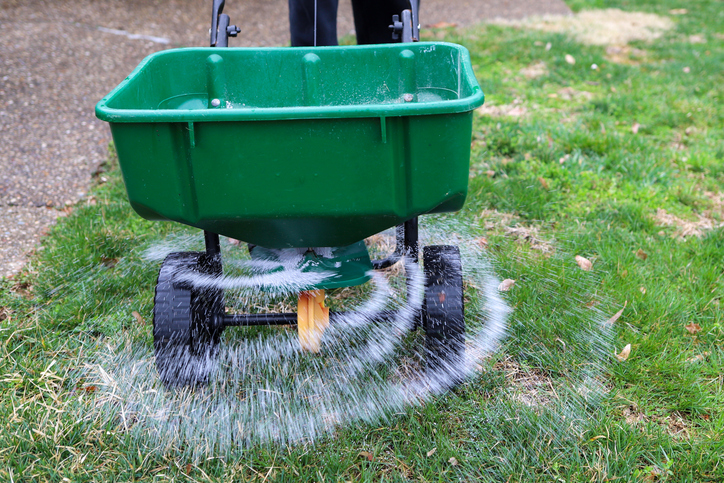
Superior Lawn Care’s Five-Application Lawn Care Program includes fertilizer, weed control, crabgrass control, and insect control throughout the year. This kind of scheduled care helps address seasonal needs before they become larger problems.
Consistent treatments can also help reduce guesswork. Instead of trying to figure out what your lawn needs after damage appears, a professional program provides support at the right points in the season.
Get Ahead of Summer Lawn Stress
If your lawn tends to struggle once summer heat arrives, early action can make a difference. Deep watering, proper mowing height, weed prevention, and pest and disease monitoring all help protect your lawn during a demanding time of year.
