


Early Signs of Lawn Disease to Watch for in Late Spring
Late spring is when many Western Pennsylvania lawns start to look full, green, and healthy again. Grass is growing quickly, rain is common, and homeowners are getting back into regular mowing and yard care routines. However, this is also the time of year when early lawn disease symptoms can begin to appear.
Lawn disease does not always show up as large brown patches right away. In many cases, it starts with subtle changes in color, texture, or growth patterns. A few pale spots, reddish strands, or thinning areas may not seem urgent at first, but they can be signs that fungal activity is beginning to affect the turf.
For homeowners in Western PA, knowing what to look for in late spring can make a real difference. Early identification allows you to adjust watering, mowing, and lawn care practices before the problem spreads or becomes more difficult to manage.
Why Disease Starts Before Summer
Many people associate lawn disease with the heat of summer, but problems often begin before the hottest weather arrives. Late spring can create the right conditions for disease because lawns are dealing with a mix of moisture, temperature changes, and active growth.
Western Pennsylvania often sees damp spring weather, frequent rainfall, morning dew, and periods of humidity. When grass stays wet for extended periods, fungal diseases are more likely to develop. These conditions are especially common in shaded areas, low spots, or areas with limited air movement.
A lawn may also be more vulnerable in late spring if it is stressed. Compacted soil, poor drainage, dull mower blades, low mowing height, or inconsistent fertilization can all make it harder for grass to recover from disease pressure. Even a lawn that looked healthy in early spring can begin showing symptoms if the weather stays wet and the turf is under stress.
Late spring is also a transition period. Grass is actively growing, but it may not yet have the strength to withstand disease pressure, heavy foot traffic, and changing weather at the same time. This is why small signs should not be ignored.
Common Early Diseases in Western PA: Dollar Spot and Red Thread
Several lawn diseases can affect cool-season grasses in Western Pennsylvania, but two common issues homeowners may notice in late spring are dollar spot and red thread. Both can appear before summer conditions are fully established, especially when moisture and humidity are present.
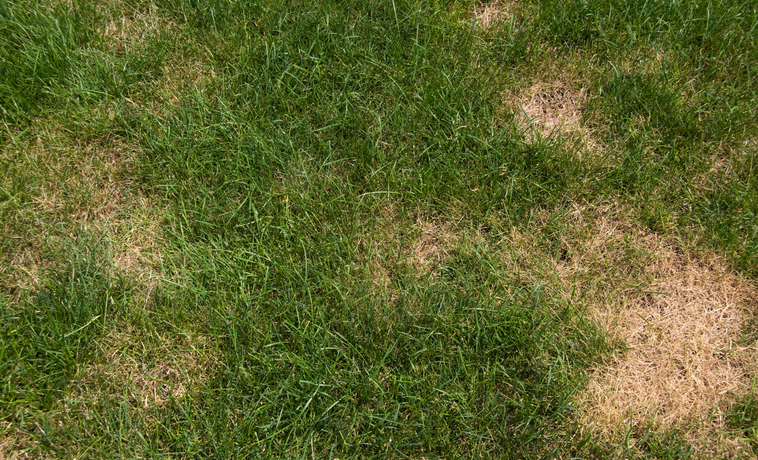
Dollar spot is a fungal lawn disease that often appears as small, straw-colored patches in the grass. The name comes from the size of the early spots, which can be about the size of a silver dollar. Over time, these spots may grow together, forming larger, irregular patches.
In the early stages, homeowners may notice small tan or light brown areas scattered across the lawn. The grass may look dry or sunken, even if the lawn has had enough rain. On individual grass blades, dollar spot can sometimes appear as light-colored lesions or bands.
Dollar spot is more likely to become noticeable when the grass is under stress. Low fertility, dry soil, heavy dew, and frequent moisture on the leaf blades can all contribute to the issue. Because the early spots can look like drought stress, pet damage, or mower injury, it is easy to overlook the disease at first.
Red Thread
Red thread is another common lawn disease in Western PA, especially during cool, damp, and humid weather. It often affects lawns in spring and fall, but symptoms can become noticeable in late spring when conditions stay wet.
The early signs of red thread may include irregular patches of tan, pinkish, or reddish grass. In some cases, homeowners may see thin red or pink thread-like growths extending from the tips of grass blades. These thread-like structures are one of the more recognizable signs of the disease.
From a distance, red thread can make parts of the lawn look faded, scorched, or uneven in color. The affected areas may not be completely dead, but they can look weak and thin. Like dollar spot, red thread is often connected to moisture and turf stress.
What Early Symptoms Look Like
Early lawn disease symptoms are not always dramatic. In many cases, the first signs are easy to mistake for normal spring changes, dry spots, or uneven growth. That is why it helps to look closely when something seems off.
- Small tan, yellow, reddish, or straw-colored patches
- Areas that look thin or weak compared to the rest of the lawn
- Grass blades with spots, bands, or discoloration
- Pink or reddish threads on the tips of grass blades
- Patches that stay damp longer than the surrounding areas
- Lawn areas that do not bounce back after mowing or rainfall
- Spots that slowly expand or appear in multiple places
It is also helpful to look at the pattern. Disease often appears in irregular patches rather than straight lines. If the issue follows the path of a mower, driveway edge, or foot traffic area, another type of stress may be involved. If the patches seem scattered and continue to spread, the disease may be more likely.
Morning is often a good time to inspect the lawn because dew can make fungal signs more visible. Homeowners may notice web-like growth, unusual coloring, or thread-like structures that are harder to see later in the day.
Why Waiting Makes It Worse
A small patch of lawn disease may not seem like a major concern, especially if the rest of the yard looks healthy. However, waiting too long can allow the disease to spread and further weaken the turf.
When disease affects grass blades, the lawn has to use energy to recover. If the weather remains humid or wet, the disease can continue to develop as the grass becomes more stressed. Thin or weakened turf can also create opportunities for weeds, bare spots, and other lawn problems.
Waiting can also make it harder to identify the cause of the issue. Early symptoms may point clearly to a specific disease, but once damage spreads, the lawn may show several overlapping problems. Disease, drought stress, poor mowing, soil compaction, and insect activity can all create similar-looking damage when a lawn is already weakened.
Early action does not always mean a major treatment is needed. Sometimes it means correcting watering habits, raising the mowing height, improving air flow, or having a lawn care professional inspect the affected areas. The key is not letting small warning signs turn into larger sections of damaged turf.
What Homeowners Should Do When They Notice It
When homeowners notice possible lawn disease, the first step is to avoid jumping to conclusions. A brown or thinning patch does not automatically mean the lawn needs fungicide. It may be related to moisture, mowing, soil conditions, or another form of stress.
Start by looking at the lawn closely. Check the grass blades, not just the patch from a distance. Look for discoloration, spots, lesions, red threads, or areas where the grass looks water-soaked or weak. Note where the problem is located. Shaded spots, low areas, and places with poor drainage are more likely to stay wet longer.
Next, review basic lawn care habits. Watering should be deep and infrequent, preferably early in the day, so the grass has time to dry. Avoid watering in the evening, since overnight moisture can support fungal growth. Mow with sharp blades, and avoid cutting the grass too short. Removing too much of the blade at once can stress the turf and make recovery harder.
Homeowners should also avoid applying random products without first identifying the problem. The wrong treatment may not help, and it can delay the steps that would actually improve the lawn. If symptoms are spreading, returning after mowing, or becoming more noticeable, it is a good idea to contact a lawn care professional.
Call Superior Lawn Care Today for all Your Lawn Care Needs
Late spring is an important time to pay attention to your lawn. By noticing early signs of dollar spot, red thread, and other common lawn diseases, homeowners can take action before the damage becomes more widespread. A few small patches may not seem serious at first, but they can be an early signal that the lawn needs attention. Acting early gives your grass a better chance to recover and stay healthier as summer approaches.
Call Superior Lawn Care today to get your lawn ready for summer!
