


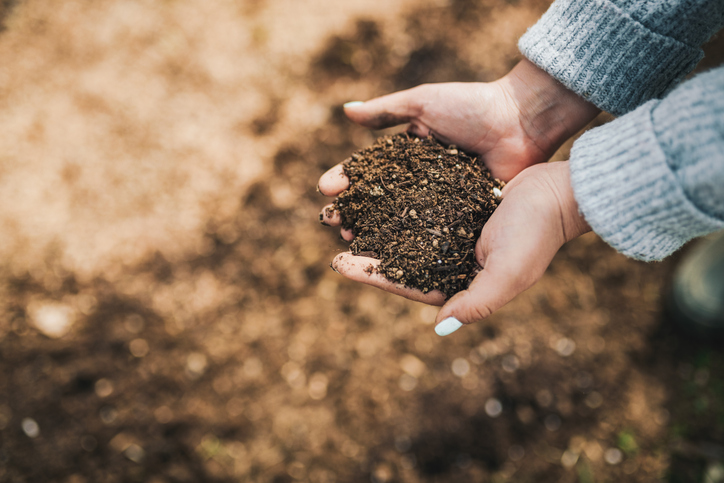
Pittsburgh Soil Conditions & Your Lawn: What Every Homeowner Should Know
Pittsburgh isn’t like every other city when it comes to lawn care, and soil conditions are a big reason why. If you’ve ever wondered why your grass struggles in some spots or why irrigation and fertilization don’t seem to work the same everywhere, the answer often begins below your feet.
Understanding Pittsburgh’s unique soil characteristics and how they influence water movement, nutrient availability, and root growth is the foundation of a thriving lawn. Let’s discover what makes soil in our region special, and why a professional program like Superior Lawn Care’s 5-Step Lawn Care Program is so valuable.
1. What Pittsburgh Soil Is Really Like
Predominant Soil Texture
The Pittsburgh region generally has soils classified as silt loams with variable amounts of clay and sand. This means:
Soils rich in silt and clay tend to be denser and wetter than purely sandy soils.
Drainage can be slow, especially in low-lying or compacted areas.
Clay content creates soil particles that hold nutrients well but resist water movement and root penetration.
In other words, Pittsburgh soil can be nutrient-rich, but it’s also prone to:
- Compaction – From foot traffic or equipment use.
- Poor water infiltration — Rain may sit on the surface rather than soak in.
- Slow root growth — Especially when the soil is dense or heavy.
Add in the fact that historic urban development and fill materials have left some yards with mixed, disturbed soils, and you get a lawn care challenge that’s far from “one size fits all.”
2. Why Soil Conditions Matter More Than You Think
Your lawn doesn’t just sit on the soil. It grows through and because of it.
Here’s what soil affects most:
Nutrient Availability
Even the best lawn fertilizers can’t do their job if your soil doesn’t hold nutrients or distribute them to the grass roots. Clay and silt hold nutrients well, but if the soil is compacted or overly acidic, grasses can still struggle to absorb what they need.
Water Movement & Drainage
Dense soil slows infiltration. This can lead to:
- Standing water after heavy rains
- Shallow root systems
- Stress during drought periods
Root Penetration
If the soil is hard, compressed, or poorly structured, roots cannot grow deeply. Deeper roots equal healthier, drought-tolerant turf.
The bottom line: healthy soil = healthy lawn, and ignoring soil issues is often why lawns fail, even with routine mowing.
3. Soil pH & Pittsburgh Lawns
While most Pittsburgh soils fall within a slightly acidic to neutral pH range preferred by cool-season grasses, variations occur from block to block.
Soil pH affects:
- Nutrient uptake
- Microbial soil activity
- Fertilizer efficacy
Professional soil testing, part of comprehensive lawn care, lets technicians tailor treatments so that nutrients are available to grass when it needs them most. Saddling your lawn with fertilizer without understanding pH is like giving vitamins to someone who’s allergic, good intentions, poor results.
4. The Role of Professional Lawn Care in Managing Soil
This is where Superior Lawn Care’s 5-Step Lawn Care Program earns its stripes.
Rather than applying the same treatment year after year, Superior uses seasonally tailored applications that factor in:
- Soil conditions and nutrient needs
- Pittsburgh’s cool-season grasses and weather cycles
- Weed pressure, pests, and soil response to fertility
Their 5-Step Program works with your soil, not against it, delivering the proper nutrients and protections at exactly the right time of year so your lawn can build strength below the surface and beauty above it.
Here’s why that matters:
Custom-Timed Fertilization
Soil biology and nutrient uptake change throughout the season. Superior’s program times applications for peak effectiveness rather than throwing fertilizer at the yard on a random schedule.
Weed & Pest Control That Works with Soil
Broadleaf weed control and pre-emergent treatments are most effective when tuned to local soil temperature signals. That dramatically reduces weed pressure that competes with grass for nutrients.
Winter Protection
Cold Pittsburgh winters can stress grass and soil life. The final step in the program strengthens grass as it enters dormancy, improving its resilience come spring.
5. Beyond the Program — Why Soil Still Matters
Even with a robust lawn care plan, soil preparation and maintenance are ongoing:
Consider core aeration to relieve compaction and improve drainage.
Amend soil in problem areas with organic matter to improve structure.
Get soil tests every few years so fertilizer and lime applications are precise.
Professional care gives you this insight, and it’s what separates a lawn that looks okay from one that is deeply healthy and resilient year after year.
Prepare Your Soil with Superior Lawn Care’s Program
In Pittsburgh, soil conditions make lawn care uniquely challenging:
- Dense, silt- and clay-rich soils
- Compaction from historic fill and traffic
- Fluctuating moisture and pH levels
But with the right professional approach, like Superior Lawn Care’s 5-Step Lawn Care Program, you’re not guessing. You’re nurturing your lawn in harmony with the soil beneath it.
Ready to see what your soil really needs? Contact Superior Lawn Care for a professional assessment and a custom lawn plan tailored to Pittsburgh’s conditions.

- Best Grass Types for Pittsburgh Lawns & When to Seed Them - May 4, 2026
- Pittsburgh Soil Conditions & Your Lawn: What Every Homeowner Should Know - February 27, 2026
- Spring Lawn Care Checklist for Pittsburgh Yards - February 27, 2026