


DIY Lawn Care Mistakes Local Homeowners Make
As the weather starts to warm up in the Pittsburgh area, many homeowners are ready to get outside and focus on their lawns again. Early spring is when people start mowing more regularly, thinking about weed control, and trying to get ahead of any damage left behind by winter. It is also when many common lawn care mistakes occur.
Some homeowners cut the grass too short, water the wrong way, or wait too long to deal with weeds. Others put down products at the wrong time or assume their lawn needs the same care all season long. These missteps are easy to make, especially when you are trying to handle everything yourself.
The good news is that a little knowledge goes a long way. Knowing what to avoid in spring and throughout the growing season can help you protect your lawn, improve its appearance, and prevent problems that become harder to fix later.
Here are some of the most common DIY lawn care mistakes local homeowners in Pittbsurgh make and what you can do to avoid them.
Mowing Too Short
One of the most common mistakes homeowners make is cutting their grass too short in an effort to mow less often. It seems practical at the time, but scalping your lawn can create more problems than it solves.
When grass is cut too low, it has less leaf surface to support healthy growth. It also becomes more vulnerable to heat, drought stress, and weed pressure. Instead of helping the lawn stay neat and manageable, mowing too short can leave it thin and weak, making it more likely to struggle as temperatures rise.
A better approach is to mow regularly and avoid taking too much off at once. Keeping your grass at an appropriate height helps shade the soil, retain moisture, and support stronger root growth. If your lawn is growing quickly in spring, it is better to mow more often than to cut it too low.
Watering Too Often or Too Lightly
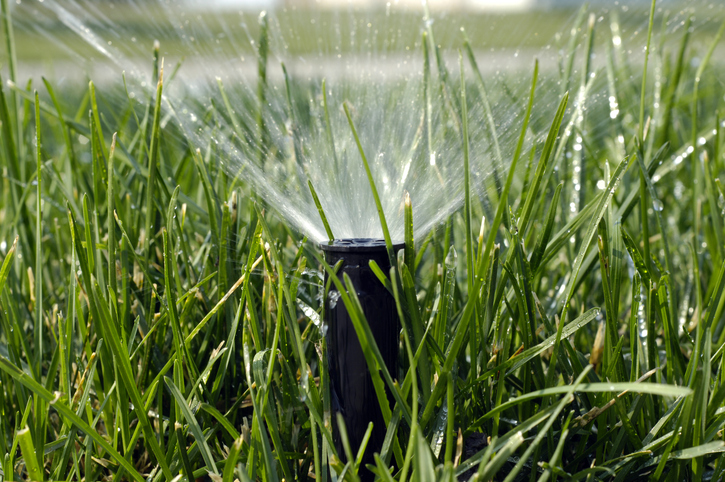
Watering is another area where many DIY lawn care routines go off track. Many homeowners give their lawns a quick sprinkle every day or every other day, especially as the weather starts to heat up. The problem is that this type of shallow watering encourages shallow root growth.
When roots stay close to the surface, the lawn becomes less able to handle dry conditions. That often leads to brown patches, stress during summer heat, and turf that declines quickly once the weather turns hot.
In most cases, lawns respond better to deeper, less frequent watering. This encourages roots to grow deeper into the soil, making the grass more resilient over time. It also helps to water early in the morning rather than later in the evening, since the lawn has time to absorb moisture without staying damp overnight.
Fertilizing Without a Seasonal Plan
Fertilizing can absolutely help a lawn, but only if it is done correctly. One of the biggest DIY mistakes is applying fertilizer without much thought to timing, product selection, or what the lawn actually needs at that time of year.
Many homeowners buy a bag from the store, spread it when they have time, and hope for the best. Sometimes that means applying the wrong product for the season. Other times it means feeding too heavily, not enough, or at the wrong point in the lawn’s growth cycle.
A lawn does not need the same support in early spring that it does in summer or fall. Nutrient needs change throughout the season, and timing matters as much as the product itself. Without a clear plan, it is easy to waste time and money while still falling short of the results you want.
Waiting Too Long to Address Weeds
Weeds are much easier to prevent than to control after they have already spread. Unfortunately, many homeowners do not think about weed control until they can clearly see a problem.
By then, you are reacting instead of preventing.
Crabgrass is one of the best examples. If you wait until it is already popping up throughout the lawn, you have missed the ideal window to get ahead of it. The same goes for many broadleaf weeds that take advantage of thin or stressed turf.
A healthy lawn does a better job of crowding out weeds on its own, but prevention still plays a major role. Weed control works best when it is part of a seasonal lawn care plan instead of a last-minute response to visible growth.
Using a Dull Mower Blade
Sometimes the issue is not how often you mow, but how well your mower is cutting. A dull mower blade tears the grass instead of cutting it cleanly, which can leave the lawn looking ragged, uneven, or slightly brown at the tips.
This may not seem like a major issue at first, but over time, it adds unnecessary stress to the turf. Homeowners sometimes assume their lawn looks rough because it needs more water or fertilizer, when the real problem is simply that the mower blade needs sharpening.
Keeping your mower blade in good condition is a small maintenance step, but it can make a noticeable difference in how healthy and clean your lawn looks after each cut.
Treating the Lawn the Same Way All Season
Another common mistake is using the same routine from spring through fall without adjusting for the season. Lawns do not need identical care in March, July, and October.
In spring, the focus is usually on green-up, early fertilization, and getting ahead of weeds before they take hold. As summer approaches, lawns face increased heat stress, potential insect activity, and the challenge of staying healthy in dry conditions. In the fall, the focus shifts toward recovery, root development, and preparing for the colder months ahead.
When homeowners take a one-size-fits-all approach, they often miss the right treatment windows. Even when they put in effort, the results can be inconsistent because the lawn isn’t getting the right support at the right time.
Ignoring Insect Activity and Other Seasonal Stress
Many homeowners focus almost entirely on mowing and weed control, but that is only part of the picture. Lawns can also be affected by insects, changing weather conditions, and seasonal stress, which can weaken turf over time.
A lawn that looked great in spring can start declining in early summer if surface-feeding insects or hot, dry conditions are not addressed. Without a plan, these problems are often noticed only after damage becomes visible.
That is one of the reasons seasonal lawn care is about more than just making grass green. It is about protecting the lawn from issues that can quietly build up and make it harder to maintain a thick, healthy appearance.
Skipping Fall Lawn Care
Once summer ends, many homeowners stop thinking about lawn care altogether. But fall is one of the most important times of year for supporting long-term lawn health.
After a stressful summer, your lawn needs a chance to recover. Fall is a key time to strengthen roots, improve overall turf health, and help the lawn prepare for winter dormancy. Skipping care too early in the season can leave your lawn at a disadvantage when spring returns.
A lot of the problems homeowners deal with each year do not start in spring. They come from what was missed the previous fall.
Why Professional Lawn Care Makes a Difference
DIY lawn care can work for some homeowners, but it often becomes difficult to stay consistent. Between busy schedules, changing weather, and the timing involved with mowing, watering, fertilizing, and weed control, it is easy to miss something important.
That is where professional treatment can make life much easier.
Instead of guessing when to apply products or which steps matter most, a structured program helps ensure your lawn gets the right care throughout the growing season. That kind of consistency is often what makes the difference between a lawn that gets by and one that stays greener, thicker, and healthier over time.
Our Five Application Lawn Care Program is designed to take that guesswork off your plate. It is built around the seasonal needs of local lawns, with timed treatments that help address broadleaf weeds, crabgrass prevention, fertilization, insect control, and winterizing support.
Rather than relying on a patchwork DIY approach, homeowners can follow a proven schedule that supports the lawn from early spring through late fall.
Avoid the Guesswork This Season
As lawn season gets underway, it is worth remembering that many common problems start with simple mistakes. Cutting the grass too short, watering the wrong way, missing treatment windows, or failing to adjust your approach throughout the year can all have a real impact on how your lawn looks and performs.
The good news is that you do not have to figure it all out on your own.
If you want a more consistent, professional approach, our Five Application Lawn Care Program is designed to help local homeowners avoid common DIY mistakes and keep their lawns in better shape throughout the season. With properly timed treatments and a plan tailored to local conditions, it’s easier to stay ahead of weeds, stress, and seasonal lawn problems before they take over.
Contact Superior Lawn Care today to learn more about our Five Application Lawn Care Program and get your lawn off to a stronger start this season.

- Identifying & Treating Red Thread, Dollar Spot & Other Lawn Diseases in Pittsburgh - June 1, 2026
- DIY Lawn Care Mistakes Local Homeowners Make - May 15, 2026
- What Lawn Diseases Are Prevalent in Western PA? - July 9, 2025